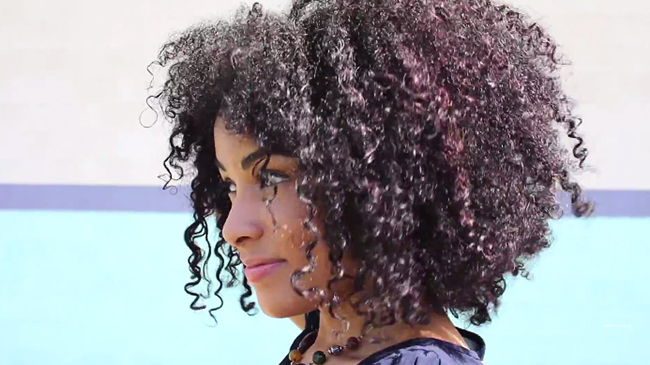
10 Ways To Preventing Split Ends

Split ends are an unsightly, annoying and unattractive hindrance that will get in the way of healthy hair growth. Prevent split ends from occurring in the first place with these 10 easy tips:

Put The Brush Away

1. Some people were taught to believe that brushing the full length of your hair often is good for your hair when it’s actually one of the worst things that you can do. In fact, it’s better to avoid brushing your hair period or at least do so very infrequently. Hard Bristle Brushes are capable of ripping and tearing at your hair, which of course can leave behind some nasty splits behind.

Less Heat

2. Keep your heat usage down to a minimum. Use other stretching methods when you can, because heat can dry your hair out and make a split end problem even worse.

Low Manipulation

3. Reduce the amount of manipulation (styling & combing etc.) that you put on your hair. Remember the ends of your hair are the oldest portions of your hair, making it easy for them to break at the slightest bit of strain.

Say No To Hair Accessories

4. Don’t use hair accessories that snag and break your hair. Rubber bands for example have got to be worst one you can use because they can tear and pull at your hair when you take them out. Pay attention to any hair accessory that causes breakage. Opt for elastic bands without metal closures.

Give Them Extra Love

5. Your ends require lots of love! When you moisturize and condition your hair focus heavily on your ends.

Moisturize Ends To Roots

6. Make sure your ends are getting plenty of water from either using plain water or water based products, you will need them to effectively moisturize your hair.

Hand in Hair Syndrome

7. Have a habit of twirling or touching your hair a lot? You may have a case of Hand in Hair Syndrome. Stop it! If you don’t do it all the time no big deal. However, if you find yourself constantly digging in your hair you’re causing some damage.

Keep it Simple

8. Fit some simple protective hairstyles into your regimen like a bun, tuck in roll style, or a low manipulation updo. When you wear your hair out all the time it becomes vulnerable to friction from your shirt collar or your coat. The weather conditions as well can cause its fair share of damage to your ends by drying them out.

Use Hair Shears for Trims

9. Trim your hair with hair shears only or scissors that are designed for cutting hair. Also make sure that you only use these scissors for cutting hair and nothing else. Using dull scissors or ones that aren’t designed for cutting hair will make your split end situation even worse.
Trim Dry Hair
10. Trim your hair when dry and not wet. Getting your hair cut while wet could potentially cause splits ends and damage in the future. You will also get better results when your hair is cut dry. Remember your hair stretches and has a totally different look while it is wet. When your hair is dry, you can clearly see split, fray ends.  You will also get a better shaped cut.

What Are Some Other Ways You Prevent Split Ends?

There seems to be a color craze brewing and it’s causing many the urge to jump on the gun and color their natural hair without first knowing these important tips for preventing damage and dryness.
But, then, while standing in the aisle of the beauty supply store, you may become overwhelmed by the many coloring systems that claim to color hair without damage. What do you do? Do you go for it without research?
No! When making the decision ofcoloring natural hair, there are a few important factors you must consider.

1. The Truth about Ammonia (It maybe necessary…)

There are a lot of “ammonia free” products on the market promising a black to blonde result. Very Unlikely.
Ammonia in products assist in the coloring process by opening cuticle and swelling the strands so that the color can penetrate to the cortex, yielding drastic color changes.
Without ammonia, color change is mild and may require multiple applications to achieve desired color, if ever achieved. This is due to the fact that the color more likely will coat the strands as opposed to being absorbed into the strand because there isn’t a stimulant used to open the cuticle.
Be aware of ammonia substitutes used such as the more popular ethanolamine, also known asmonoethanolamine or MEA. These are equally, if not more, damaging to the hair. But because it isn’t “Ammonia” the company can advertise as “Ammonia free” (doesn’t necessarily mean safer), misleading many.

2. Bleaching Isn’t Necessary for Lighter Shades

 This is true (in most cases). Hair that hasn’t received ANY prior color (virgin hair) can be lifted with peroxide and color which is safer than bleach/lightener. Though safer than lifting with a lightener or bleach, one must know the condition of their hair prior to any chemical service. Adding chemicals (color) to damaged, weakened hair can be destructive.
It is recommended, that prior to coloring, you should do weeks of deep conditioning treatments. Doing so will help fill holes in the strands, smoothing cuticle, as well as reinforcing moisture that color has been known to diminish.
Please note: If henna based color has been used, achieving other shades will be hard without using a lightener. Using a lightener to lift even a few shades lighter can prove to be very traumatizing to the strands and should be avoiding if at all possible.

This image displays color that was simply deposited onto already colored hair

3. Refreshing Permanent Color without Over-Processing and Damaging

Refreshing permanent color with permanent color is not necessary. When color seems to faded or grown dull, it’s possible to refresh without the use of permanent color.
Nowadays, there are plenty of semi-permanent, even demi-permanent, and rinses that come in a vast array of colors. It’s safer and healthier for the hair to refresh with simple pigmented rinses, semi or demi-permanent colors. Doing so can act as a filler to the hair, making it softer and smoother than before.
The constant overlapping of permanent color  leads to hair being over-processed and eventually irreversible damage.

4. Color Care

Lastly, and most importantly, after receiving a color service (whether done at home or a salon), it’s imperative that you adjust your regimen.
Use of shampoo and conditioners for color treated hair is necessary and will help maintain proper pH levels, extend color life, and seal cuticle of hair. Implementing the proper products after a chemical color service will also combat loss of moisture and maintain health of the hair. In adjusting your regimen, you should consider moisturizing often (but not excessively), conditioning after every shampoo, and use cooler water temperatures when shampooing & rinsing (This helps close cuticle and extends life of color). Always, when in doubt, visit your local salon or stylist who specializes in the service you desire.

Copyright © 2008-2015 by Natural Hair Rules!
By manespeak
Growing long hair comes with some pit falls and frustrations. There are times where you just want to take a shaver and shave it all off and just let it go.  But wait, somewhere in your natural hair routine, you need to start paying attention to somethings.  Longer hair growth is both genes and strategy.  Focus on retaining length and the rest will flow.  Don’t be discouraged. It takes time and a special focus to drive the results you crave.

Here are 3 reasons as of why your hair is not growing.
Unless you are experiencing health problems or taking medication, hair loss and the reason why your hair might not be growing could be due to the following factors.

1.Bad Eating Habits
I used to say that bad eating habits were just “common sense” but, wait until you really start paying attention to those little habits.  You will start to notice all sorts of ingredients that you really should not consume.  Stir clear of those processed foods, fried foods and syrupy foods (full of high fructose corn syrup).  Get in the mood of eating healthy so your body will start craving only the healthy. You won’t crave sugars.  I hardly crave sugar!  Healthy food is full of vitamins and minerals that fuel your entire system (including your hair).

2. Too Many Hairstyles
If you find yourself rocking different hairstyles each week, you’re probably tugging and pulling at your hair.  If you want to retain length, low maintenance styles are best.  Shedding and breakage is one of the results of hair that has been made weak via constant manipulation.  Manipulating your hair can come in various forms: curling with heat, braiding, detangling and flat ironing.  Keep in mind that curls and kinks are prone to be more dry and therefore, you need to take care of the tension applied to your hair.  This is why I don’t use a comb all the time when detangling.  Sometimes I just plain ol’ using my fingers to detangle.  Keep your hair in protective styles to avoid touching your hair all the time and manipulating it. Protective styles to do include: twists, wigs, weaves, braids…so many!!!

how to grow long hair 

3. Shampoo all the Time!
Lay that shampoo bottle down! Yes you with that sulphate shampoo!  When you wash your hair with sulphate shampoo, you’re striping away those natural scalp oils.  When your hair is prone to dryness, this is the last thing that you want to do.  Especially if you’re doing it frequently (more than once a week).  Sulphates dry out hair especially if you’re not putting moisture back into your hair. Seal moisture into your hair using oils that absorb well into your hair. You can co-wash and shampoo – this way you can alternate between the two.  You don’t want to end up with buildup so it’s best to clarify with shampoo or apple cider twice a month (at least).  Buildup (hello co-washers!) can lead to clogged pores and this equals less moisture absorption.


**We do understand that sometimes, hair loss is a result of medication and various health problems. These are just some of the day to day habits that lead to breakage and lack of length retention. Retaining length leads to growing longer hair.**

Why is my hair so dry?
I get a lot of clients who come in upset about their dry hair.  I always follow with the question “What products are you using in your home regimen?” The most popular replies are,
*Coconut Oil
*Shea Butter
*Glycerin
Now, while these listed ingredients can be equally beneficial to your hair, they are not stand alone moisturizers.  Essentially, these are popularly misused natural hair products.
The listed ingredients are actually oils. Oils are lubricants used to restore natural oils that may have been stripped during shampooing and/or styling process, and also to seal. But, if not used in conjunction with a really good moisturizing leave in or cream moisturizer, they can seal in dryness and repel any moisture from entering the strands of the hair. The greatest confusion comes from the fact that shea butter in its raw state is creamy or solid. But, this is just the state of the oil before being pressed or liquefied. Now if they are mixed with other essential oils and a moisturizing component, known as a humectant, then it now has the ability to retain moisture. Water is also a good source of moisture, so mixing with water is a better option.

Glycerin and water combined is popular because glycerin too is a humectant. But, if not immersed in moisture, it will actually draw it from the nearest source. This explains why glycerin and water or glycerin laced products work better in the humid summer as opposed to the dry winter.

The humidity in the air, breeds an environment of moisture, allowing it to absorb the moisture from the air into your hair. But, if used in drier conditions, it will actually suck up the moisture in your hair. Be careful with glycerin as its effectiveness is based upon its surrounding conditions/environment.

Coconut oil

Coconut oil, though easily passes through cuticle, will give a greasy feel, but doesn’t supply lasting moisture. You may need to reapply as needed. Or mix with other oils like olive oil (this is my favorite combination), avocado oil, or jojoba oil.
TIPS:
1) When seeking a good moisturizer, water should be listed first. This makes a great base.
2) Also, if it is promoting itself as “100%” shea butter, vitamin E, jojoba oil and so on, verify that there isn’t anything else listed. (When mixing your own moisturizer)
3) Other humectants to look for: honey, panthenol, sodium lactate, sorbitol  (just to name a few).
4) When purchasing products, read the ingredients. I love spending time in the store reading ingredients and determining which products are true to their advertisement. Ingredients are listed by potency, so for example: if it is said to be moisturizing, yet lists mineral oil as the 2nd ingredient, or alcohol, avoid at all cost.
Mineral oil gives the illusion of moisture, but quickly evaporates, leaving you to have to use more frequently. Products that has alcohol listed within the first 3 ingredients are prone to drying out the hair. Good alcohols are: Cetearyl, Cetyl, and Stearyl. These are fatty alcohols that won’t dry your tresses.


Prior to transitioning to wearing my natural hair texture, I wore hair extensions and weaves to give my naturally fine hair a much thicker appearance. My favorite go-to styles were braids (that I usually wore in a bun on top of my head), weave ponytails, half wigs, full wigs– you name it.
My favorite style of choice was the “quick weave”, which consisted of laying the hair down with a thick gel, allowing it to dry until it was completely hard, and attaching the weave hair to my own hair using a specific hair glue. I cringe just thinking about the process and the unnecessary damage that was done to my hair in my own ignorance.
It wasn’t long before I started to notice that my already fine hair was starting to become even more thin, stringy and rather dull. Not to mention, my edges had become so thin that you could see right through to my scalp. The middle section of my hair was in the same sad state. Hair extensions and wigs can be a great protective styling option, but it is vital that you maintain and care for your own hair at the same time in order to prevent breakage, hair loss, damage to the scalp, and even possible scalp infections.
I really didn’t have much of a hair regimen and I knew that my missing edges were the direct result of the constant pulling and tension to my hair when styling. After incorporating some changes and a few vital steps to my hair care routine, I noticed a tremendous improvement in the overall health, appearance, and abundance of my hair within five short months. My hair growth was attributed to the following steps:
1. Putting an end to Unnecessary Tension
One of the first things I did to help restore my damaged hair was to stop any type of styling that added unnecessary stress to my hair. Braids were causing way too much tension to my edges because of how tight my stylist would install them. They were so tight that for the first week after having my braids installed, very fine, white bumps would cover my hairline.
2. Taking the Time to Properly Care for Hair
When I was ready to remove my quick weaves styles, I would sometimes just pull on the hair tracks and release them instead of using the appropriate hair glue removal solutions. I would even saturate the hair wedge with conditioner and remove the hair while in the shower. Removing hair weave or any type of maintenance that requires excessive tension on the hair should never be done while the hair is wet. Natural hair is most fragile when it is wet and is more prone to breakage and other types of hair damage. I never slept with my hair covered and I had an “out of sight out of mind” kind of attitude about my hair. Slowly, I started incorporating small steps such as regular deep conditioning, detangling properly, using the right hair tools, trimming away split ends, and throwing out any snagged hair accessories that could potentially cause damage to my hair.
3. Taking Vitamins that Promote Hair Growth 
I tried taking Biotin after hearing that it could help with hair growth, which it did, but I soon noticed that it wasn’t just the hair on top of my head that increased in growth. I started asking around in different hair care forums and found that I was not alone. Many other women (and men) noticed that after taking biotin, bodily hair started to increase rapidly. Because I suffer from a health issue called Polycystic ovary syndrome (PCOS), I was already having issues with unwanted hair growth and taking full on Biotin was just not helping with my situation at all. Instead, I decided to try a hair, skin and nails multivitamin that also contained Biotin, but at a much lower dosage.
4. Scalp Stimulation to Encourage Growth
Every other night I would give myself a 5-10-minute scalp massage, focusing mostly on my hairline and the middle of my head. Some nights I would use a mixture of oils to massage my roots and scalp. I would then wrap my hair in a satin scarf or satin bonnet before bed. By morning, the oils were absorbed by my thirsty strands and never weighed my hair down. I used my light oil mixture for regular scalp massages, and my heavier castor oil mixture 2-3 nights prior to wash day.
5. Using Organic and all-natural Oils to Boost Hair Growth
There are many oils that claim to help increase hair growth, eliminate hair loss, and promote a healthy scalp. Maintaining a healthy scalp is also essential to hair growth. I used two mixtures for my hair, a light mixture and a heavier mixture that I would use closer to wash day. The lighter oil mixture contained the following:
  • Base: Apricot oil
  • Neem Oil
  • Vitamin E
  • Rosemary oil
  • Peppermint oil (2-3 drops is enough, trust me!)
  • Rose hips oil
The heavier mixture contained the following ingredients:
  • Base: Castor oil (not to be confused with JBCO)
  • Neem Oil
  • Black Seed Oil
  • Peppermint Oil
  • Rose Hips Oil
  • Raw Coconut Oil
According to the University of Maryland Medical Center, these essential oils may help to stimulate new hair growth when used in scalp massage. All of the steps listed above were initially added to my natural hair care routine and within several weeks, I started to notice a big difference in my hair. It took approximately 5 months to regrow the hair along my hairline and the hair in the center area of my head.
The hairline is one of the most sensitive areas of the head. When dealing with thinning edges, wearing tight hairstyles such as ponytails and tight braids that cause stress on the hairline should immediately be avoided. Hair loss is an issue that a lot of people are uncomfortable talking about. Hair loss is nothing to be embarrassed about. There are many options and solutions available when dealing with thinning hair, balding or any type of hair loss issues. Some issues can be easily fixed simply by changing your hair care practices. There are other factors that may be contributed to hair loss as well such as poor eating habits, allergic reactions to hair care ingredients, prescription medications or other health concerns. When in doubt, be sure to make an appointment with your physician or dermatologist to rule out any underlying scalp infections or diseases.


Summer is right around the corner and as the heat intensifies, more people will be looking for ways to beat the summer heat. Swimming is a traditional summer activity that many women choose not to participate in simply because of the fear of getting their hair wet. This was a common quarrel of mine when I would wear my hair relaxed for fear of my straight hair “curling up” from being wet.  If I was due for a “touch up” soon, then I didn’t mind getting my hair wet but after a fresh relaxer, there was no way I was getting anything other than my feet wet.
Now that I wear my hair in its natural state, I’ve found that easing into the water is a lot less stressful. However, swimming in any type of chlorinated water, be it either the pool or a hot tub, your hair is still susceptible to becoming exposed to dangerous chemicals that are added to the water to remove and kill bacteria.
These hazardous chemicals are also known to change the hair’s molecular structure. In rare cases, light-colored hair might end up with a green tinge to it. Although there are specially manufactured products such as shampoo and conditioner for swimmers to remove the chlorine from the hair, there are also ways you can remove it naturally using ingredients that are found in almost every home– baking soda and club soda are good examples. These ingredients can be added to your conditioner, mud mask, and sulfate-free shampoo.
Here are some natural hair care tips to consider when swimming this summer:
1) Wear a Swimming Cap
One of the best ways to prevent chlorine damage to the hair is to use a swimming cap while swimming. It will significantly decrease the amount of chlorinated water that goes into your hair, potentially causing damage to your delicate strands. Remember, natural hair is at its most delicate state when it is wet.
2) Cowash Hair before Swimming
Wash, cowash or wet your hair wet shortly before swimming in any chlorinated body of water. Moisturizing your hair with water that does not include chlorine will decrease the vulnerability of your hair to chlorine absorption. This step will significantly reduce the amount of chlorine your hair will absorb while you are swimming, in turn decreasing the damage.
3) Use Baking Soda & Club Soda to help Remove Chlorine Naturally
After swimming in chlorinated water, add some baking soda to your hair in order to prevent the hair from being damaged from chlorine exposure. You can spread enough baking soda to fill the entire head and simply rise out with either club soda or non-chlorinated water. Follow up by a moisturizing conditioner or deep conditioner. Baking soda is known to decrease the damage chlorine can do to your hair, absorb the chlorine, and aid in the recovery of slightly damaged hair. Depending on your hair’s length, the amount of club soda you will need will differ.
4) Cleanse & Cool Water Rinse after Swimming
Immediately cleanse and condition your hair as you normally would. Wash your hair clearly to remove any particle of chlorine that may have been left in the hair shaft. As a final rinse, use cool or lukewarm water to keep the hair from becoming too dry by sealing the cuticle layer of the hair.
5) Do Not Blow Dry Hair
It is best to let your hair air dry in order to prevent or minimize damage to the hair. It might take a little more time than blow-drying, but it is much better for the overall health of your natural hair. If you must use a hair dryer, be sure you use it on the lowest possible setting and keep the nozzle far away from the hair strands, avoiding direct contact to minimize both chlorine and heat damage.
6.) Use a Moisturizing Clarifying Shampoo
Clarifying shampoos work by lifting dirt, build-up and mineral deposits on the hair from swimming in chlorinated water or washing hair regularly in hard water. Many clarifying shampoos contain a compound called acetic acid, which is also found in vinegar and is used for its descaling properties. Clarifying shampoos have been known to be drying to the hair, try looking for a moisturizing clarifying shampoo such as Moroccan Oil Clarifying Shampoo or  Paul Mitchell Clarifying Two Shampoo. These shampoos will do the job in removing chlorine and other build-up without stripping the hair of moisture.
7. ) Use Organic Shampoos & Conditioners 
Use organic shampoos and conditioners that contain natural ingredients instead of artificial ones. Some of the most well-known brands for removing chlorine are Aubrey Organics, Tri-Swim, and Ultra Swim. These products include all-natural and botanical ingredients that are highly beneficial for the hair such asAloe Vera, as well as vitamins such as vitamin E, vitamin K, and vitamin A. They also contain sea salt which is another natural ingredient that aids in the removal of unnecessary chlorine, in addition to adding moisture to the hair.
Additional Tips:
Chlorine can also dry out the skin in addition to the hair. Try not to forget to moisturize the skin after swimming in a chlorinated pool. Natural moisturizers work best such as olive oil, coconut oil, avocado oil, and hemp seed oil to name a few. All of these oils can also be used on the hair to help restore any loss of moisture. In the event that you cannot find a moisturizing clarifying shampoo, be sure to follow up with a deep conditioner or hot oil treatment after clarifying the hair and scalp. Clarifying shampoos are deep cleansing and have a tendency to cause the hair to become dry if moisture is not restored to the hair after shampooing.
The steps provided above will help you reduce damage to your natural strands that may be caused by exposure to chlorinated water, and also increase the recovery rate from any minor chlorine damage.


Whether you are interested in using henna for hair or skin, it is a powerful dye with conditioning properties. In addition to being used to dye hair, henna is used as a hair growth remedy. When henna is applied it puts a protective coating on the hair, and many women find that their strands feel thicker and stronger. In India, henna has long been used as a natural panacea for many haircare issues.

Make sure it's pure

In order to reap the benefits, make sure you are using pure henna. Many products that are labeled “henna hair color” are actually full of chemicals that can damage the hair. Stick with a trusted brand like Jamila or Reshma or buy it from a trusted natural herb supplier.

Henna's many uses

  1. DANDRUFF FIGHTER - It can help to reduce or eliminate dandruff 
  2. SCALP CLEANSER - It helps maintain the natural acid-alkaline balance on your scalp and cleanses it of dirt without altering the natural balance unlike chemical-based products. 
  3. SHINE BOOSTER - It smooths the hair cuticle, giving it a shiny, healthy appearance.
  4. SEALANT - It forms a coating on the cuticle which makes the hair appear thicker as well as shielding it from further damage. 
  5. NATURAL HAIR DYE - You can use henna as a healthy way to dye your hair a reddish tinge, as it does not contain damaging chemicals.
  6. HAIR GROWTH - Its antibacterial and antifungal properties nourish the scalp for optimal hair growth and less hair fall. 
  7. SKIN HEALER - If you have a burn injury, mix some henna powder with water and apply it on the affected areas for instant relief. It not only heals the wound, it also prevents infection and bacterial growth. It can help cure acne, boils and warts as well.
Some people report that henna loosens their curl pattern, I would not consider this a benefit but some people henna for this reason.

How to apply

If you're interested in trying henna for the first time, Reshma's henna has an easy 30-minute process that is not messy or difficult to apply. Watch how our editor Devri mixes and applies it to her hair.

Subscribe to RSS Feed Follow me on Twitter!